
Description
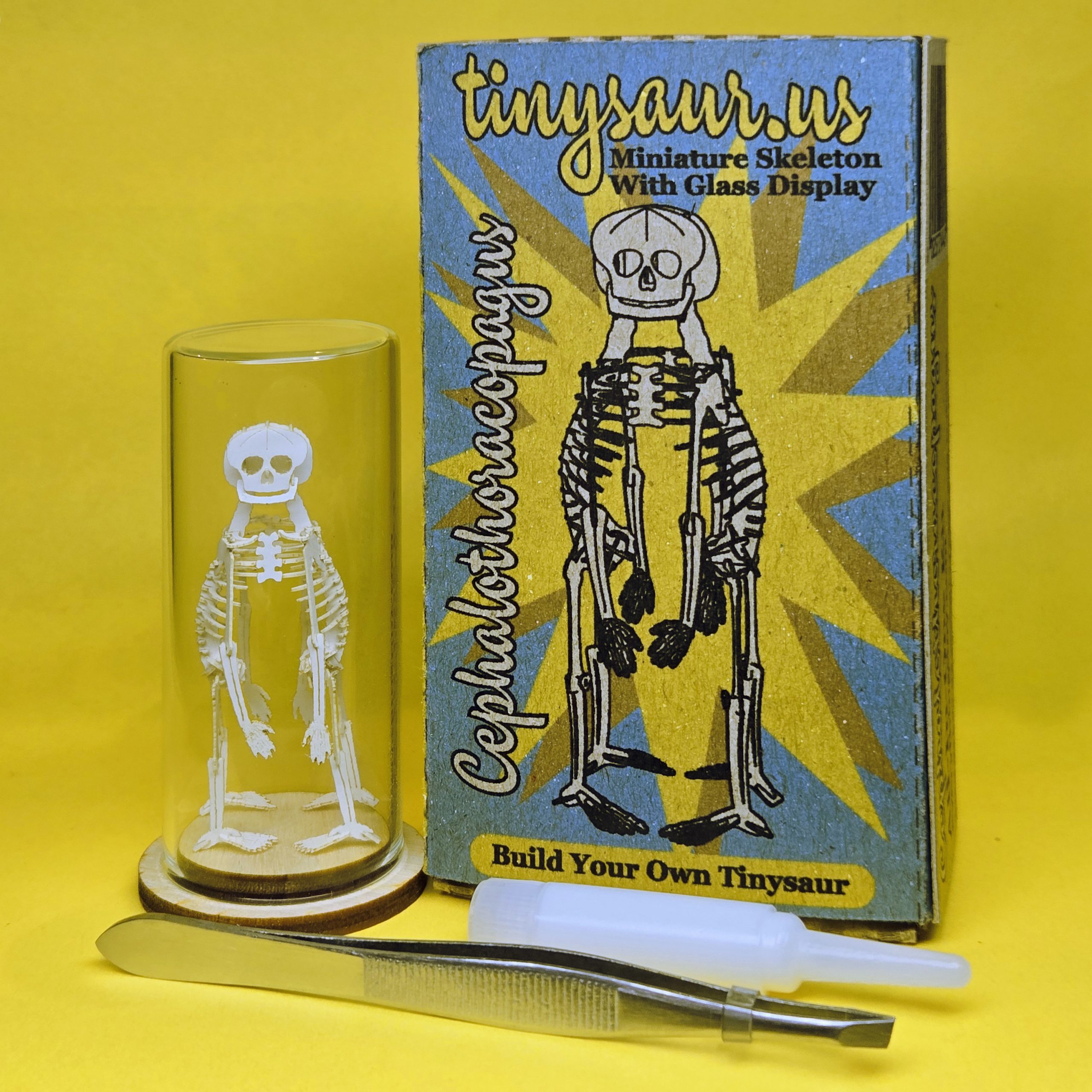
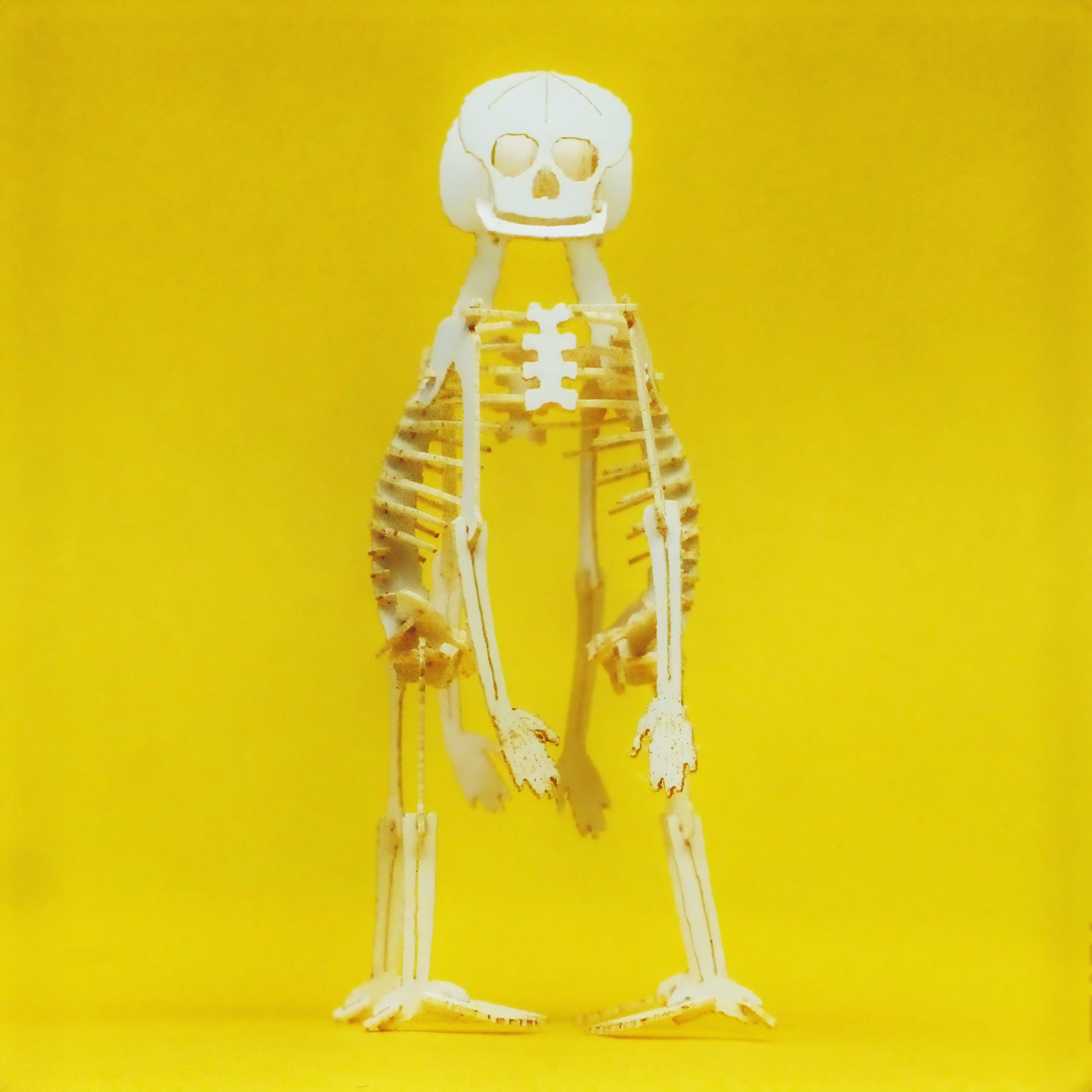
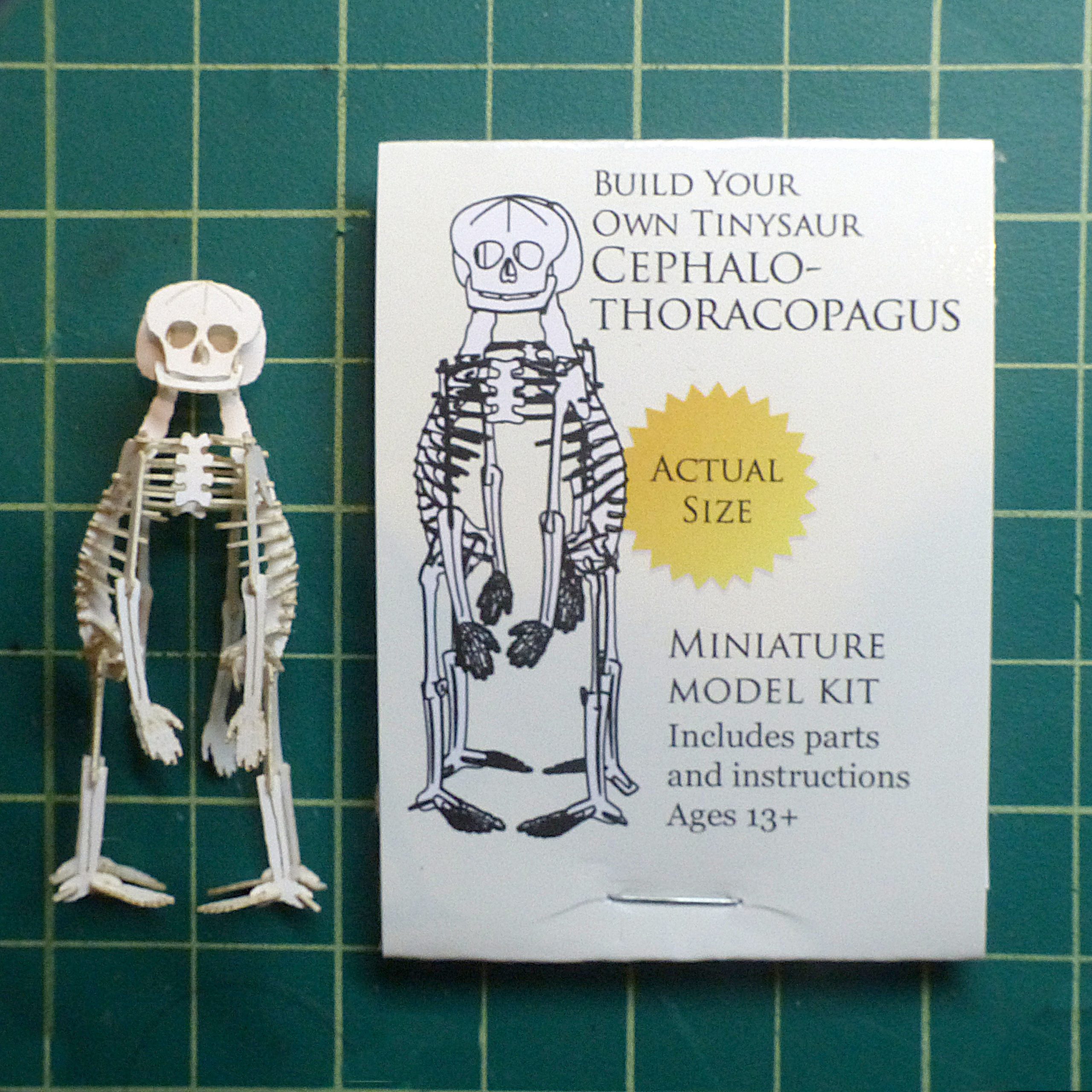
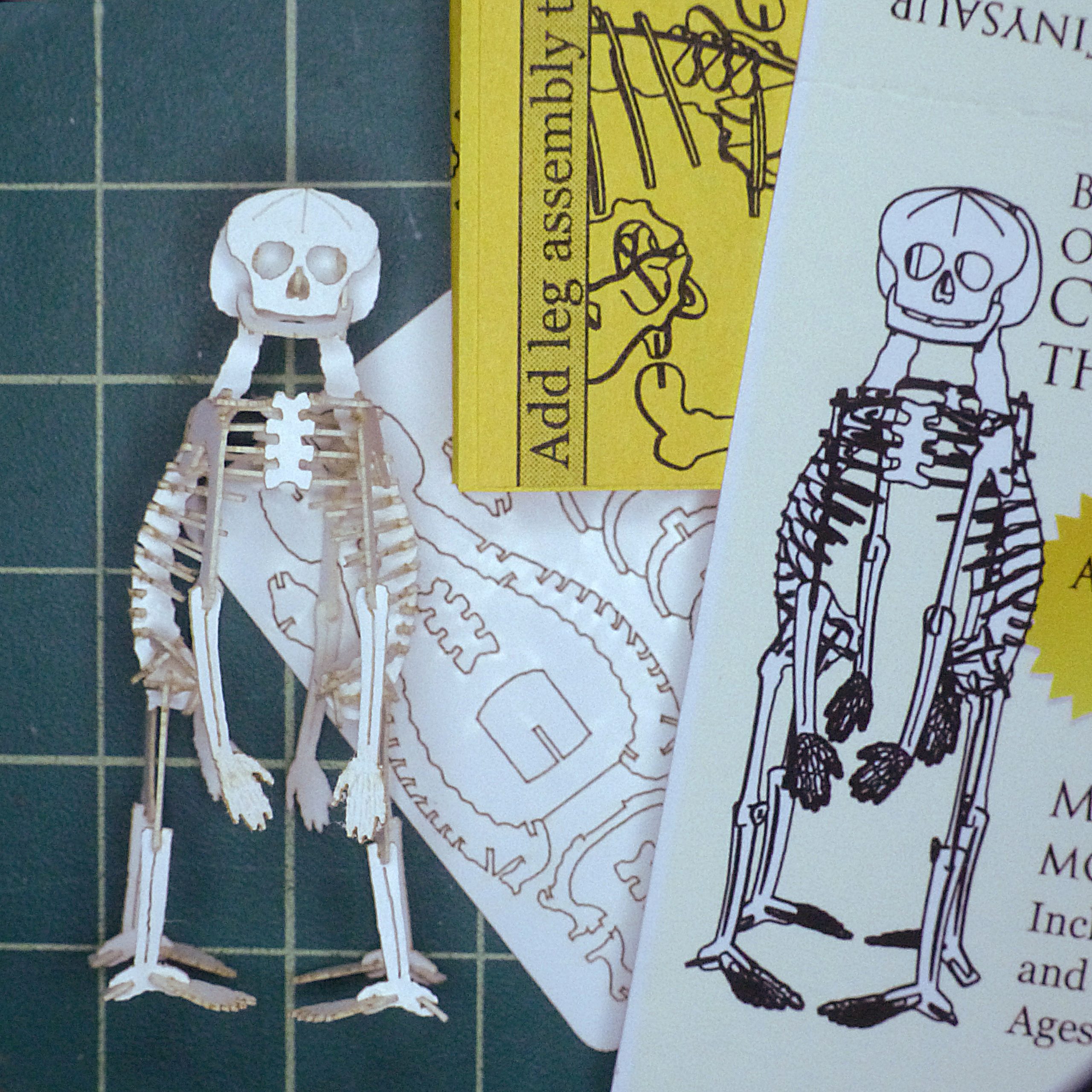
Philly-designed teratology model of a Cephalothoracopagus. Assemble a miniature conjoined-twin skeleton, inspired by local historical osteological collections in Philadelphia. We made a kit built for medical historians, dark-academia enthusiasts, and miniature oddity collectors. In the study of teratology and human development, few occurrences capture the duality of biological anomaly and solemn reality quite like cephalothoracopagus twins. This incredibly rare congenital condition involves twins who are conjoined at the head and thorax. They typically share a single fused skull and upper torso, while possessing distinct sets of lower limbs and pelvic structures. Studying their skeletal framework while assembling the kit reveals a complex matrix of ribs, vertebrae, and cranial bones that gives a glimpse into the unpredictable pathways of embryological development.
The Historical Context
This model is a precise miniature recreation drawn from real, historical anatomical preservation records housed right here in Philadelphia. Long recognized as a historic center for medical education, our local archives protect vital studies of human variation. This kit honors that history, translating an extraordinary embryological wonder into a tangible, scientifically grounded craft project.
Kit Details & Dimensions
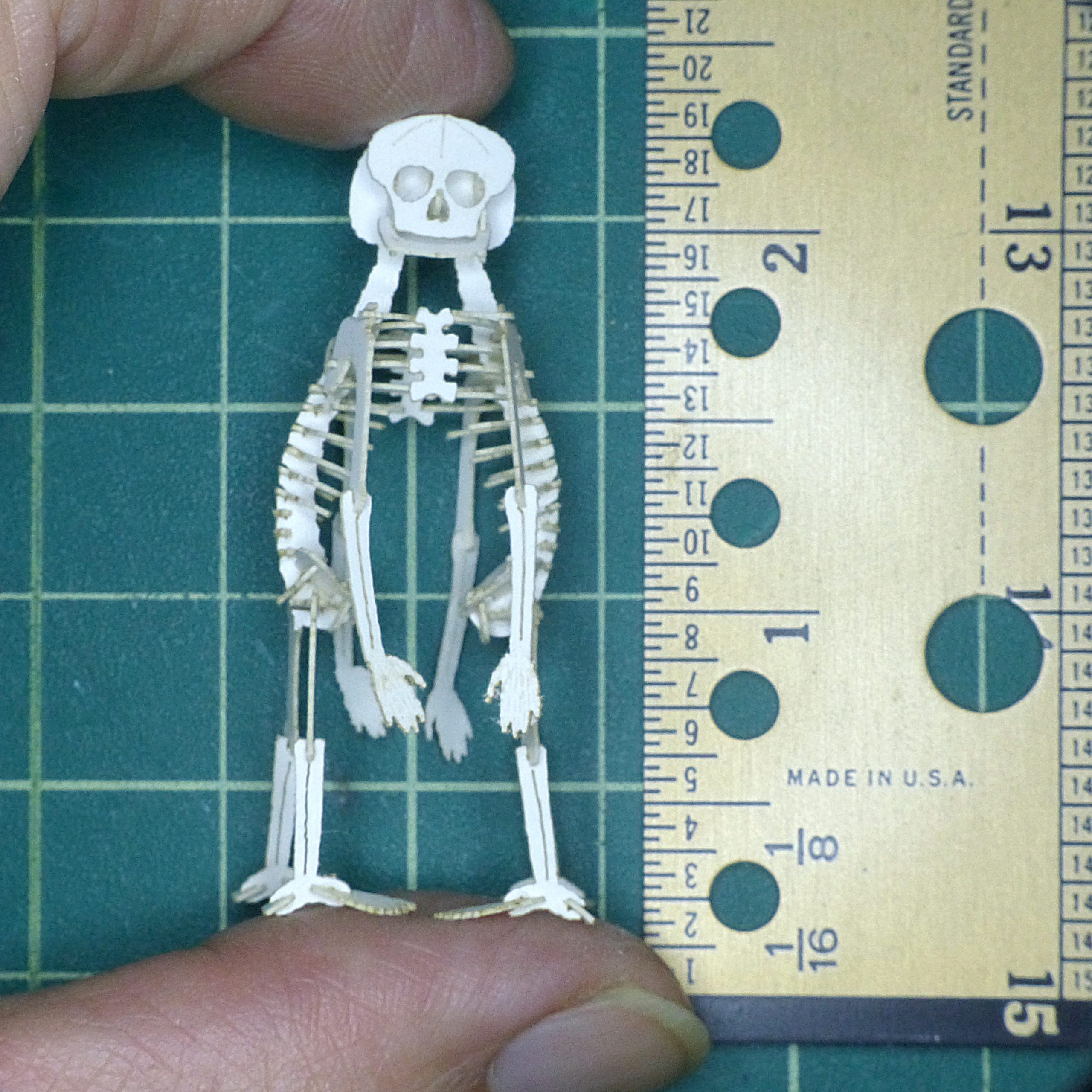
- Finished Skeleton Size: 2″ x 1″ x 1″ (50mm x 25mm x 25mm)
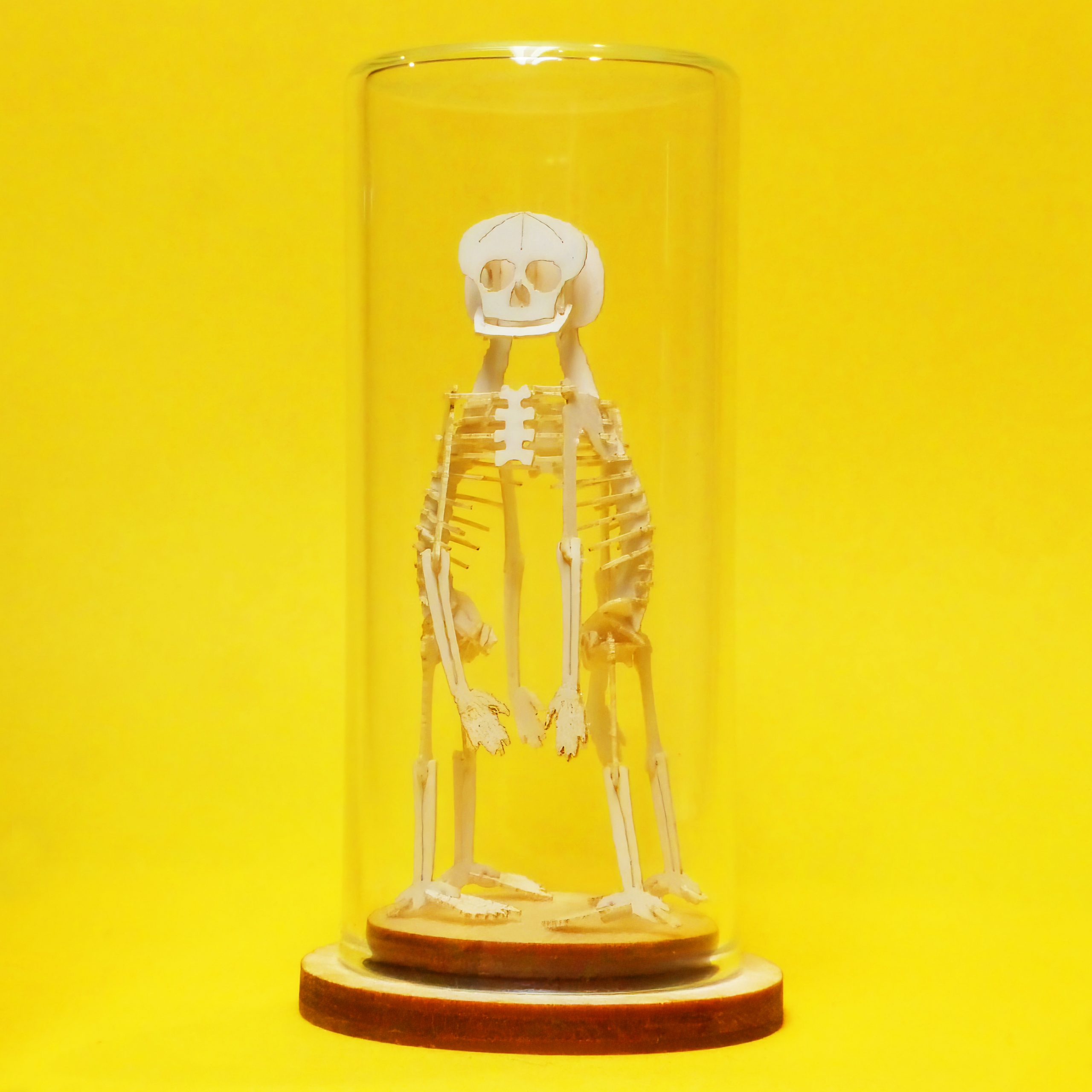
- Assembled Dome Inside Height: 2.4″ (62mm)
- Display Base Inside Diameter: 1″ (25mm)
- Components: 71 laser-cut, flat-packed piece matrices
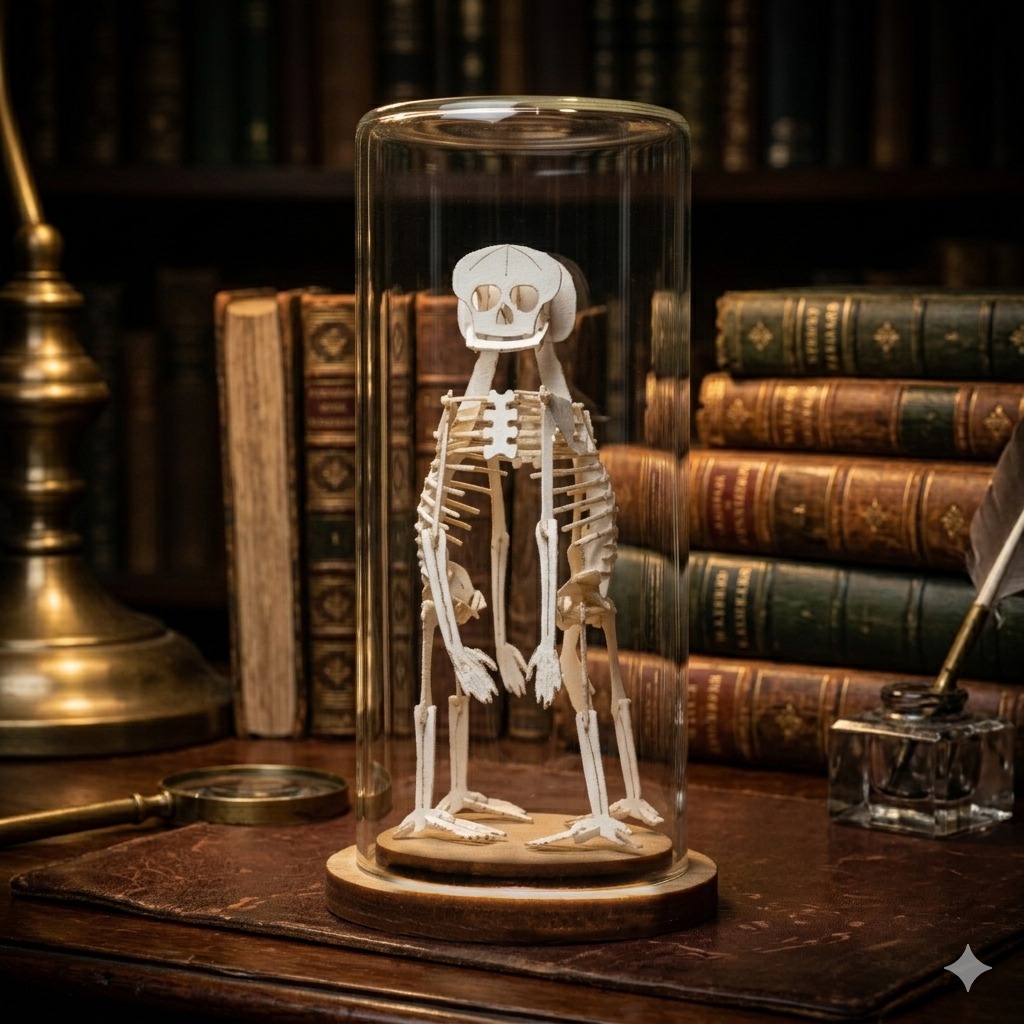
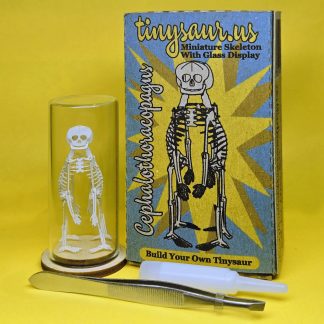
- Includes: 65mm borosilicate glass display dome, solid exhibit base, specialized glue, custom assembly tweezers, magnifier, and online interactive 3D assembly instructions.
Cephalothoracopagus 3D Assembly Instructions
Before you begin building your 71-piece skeleton kit, you can explore the assembly steps below. Click the whirling box to zoom in, spin, and rotate the tiny bone joints from any angle to see exactly how your miniature model pieces fit together.
This is what your Cephalothoracopagus skeleton model looks like when finished. (If you click the whirling box in the center of the image below, you can zoom in and rotate the model to get a better view of how the parts go together.)
Step 1: Locate all skull bones, center rib halves, and sternums before you begin. Assemble as shown with a dab of glue in each joint.
Step 2: Add the ribs in size order from largest to smallest decending in size towards the tail bone on both sides. Add 3 spinal processes at the end of the ribs. Slide pelvic floor into place and add the front part of the pelvis too.
Step 3: attach 3 remaining pelvis parts as shown to complete the two hip assemblies.
Step 4: Attach scapula and humerus piece to the rib slot, and add clavical bone to connect top of the shoulder and ribs.
Step 5: Locate the femur, tibia-fibula-ankel assembly, foot and heel pieces, and assemble 2 left and 2 right leg assemblies.
Step 6: Locate the four radius-ulna-hand assemblies and attach them to the elbows slots on the humerus bones.
Step 7: Attach leg assemblies to hips. Be careful not to add two left feet to one side.
Step 8: Add face and jaw. Your tiny cephalothoracopagus is complete!



Reviews
There are no reviews yet